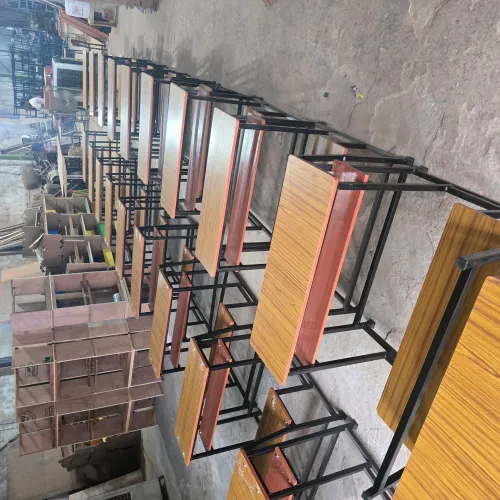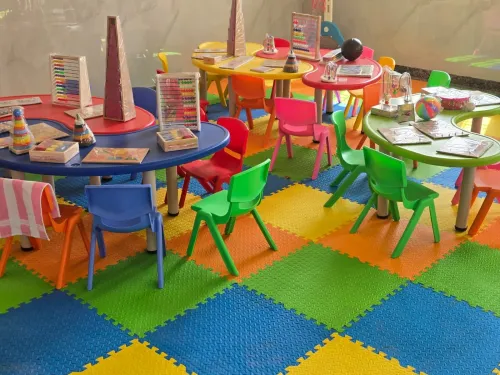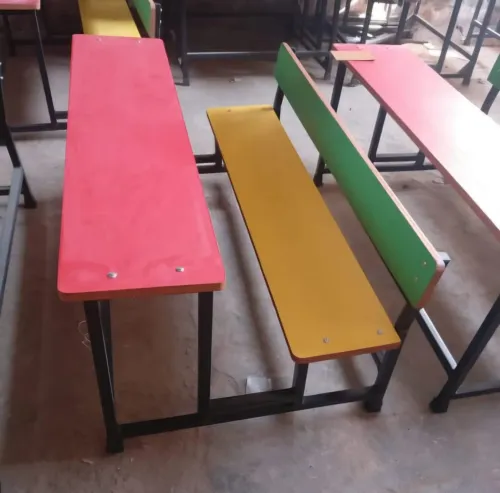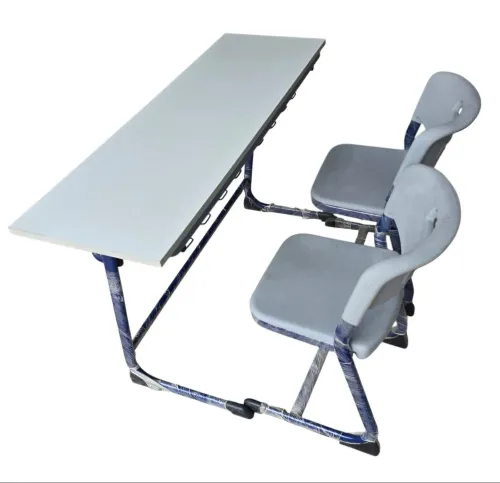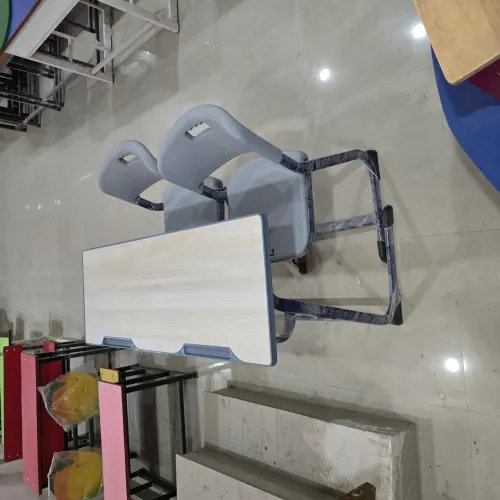
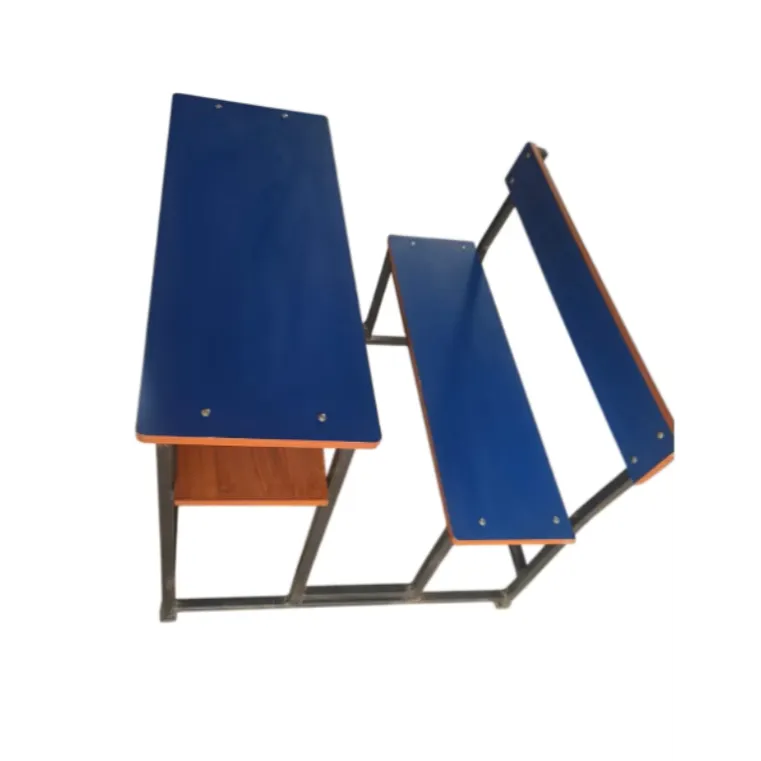
A bench used in a classroom faces repeated loading, movement, cleaning, and continuous student use. Although benches are relatively simple pieces of furniture, poor dimensions or weak construction can create ongoing maintenance and usability problems.
Schools purchasing a School Bench should therefore evaluate the product according to everyday classroom performance rather than appearance alone.
Seating Dimensions Matter
A bench should correspond to the age group and the desk with which it will be used.
If the seat is too high, too low, excessively deep, or poorly positioned relative to the writing surface, students may find it uncomfortable during longer lessons.
Schools in Delhi purchasing furniture for several grades should consider whether multiple size specifications are more appropriate than one uniform bench dimension.
Check Structural Stability
The bench should remain steady during ordinary student movement.
Inspect frame joints, supports, seat attachment, and contact points with the floor. Even minor instability in a sample can become a significant issue when multiplied across dozens or hundreds of units.
Consider Cleaning and Maintenance
Classroom furniture needs frequent cleaning, so surfaces should be accessible and reasonably straightforward to maintain.
Complicated structures may create areas where dust collects or cleaning becomes difficult. Schools should also consider whether minor components can be serviced without replacing the complete unit.
Match the Bench With the Desk
Buying desks and benches independently can result in dimensional incompatibility.
Evaluate them together and check:
- Seat-to-desk height relationship
- Available legroom
- Distance from the writing surface
- Student entry and exit
- Overall classroom footprint
A technically strong bench can still be unsuitable if it does not work properly with the selected desk.
Review the Manufacturer's Production Consistency
When ordering large quantities, schools need every unit to follow the approved specification.
A sample approval process can establish expectations for dimensions, materials, finish, and construction before bulk manufacturing starts.
Indera Furnishers operates in Delhi's school furniture manufacturing sector, where such specification-based purchasing can help educational institutions align products with classroom requirements.
The final selection should also consider delivery planning. Large quantities of benches require appropriate transportation, unloading arrangements, and storage or classroom distribution when they reach the campus.
The best school bench is not necessarily the heaviest or most elaborate model. It is one that suits the intended students, works correctly with the desk, remains stable during routine use, can be maintained efficiently, and fits the available classroom space. Those practical qualities matter every day after the purchasing process is complete.
Keywords