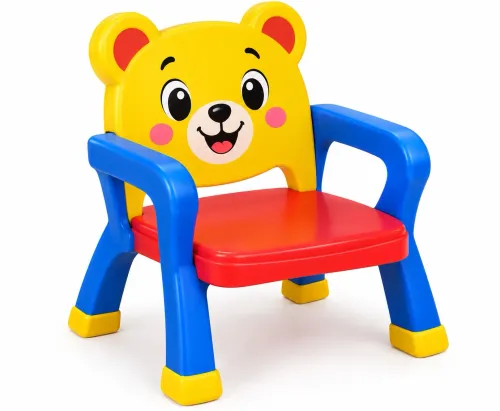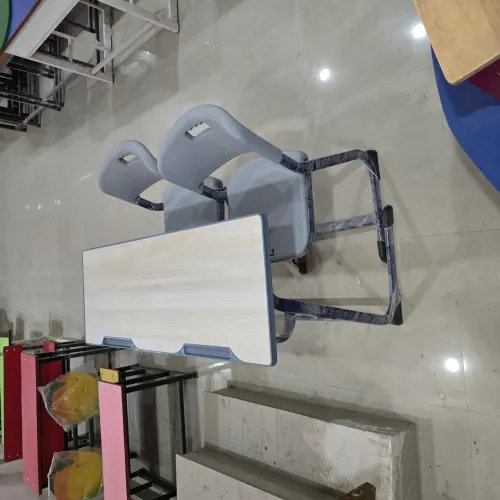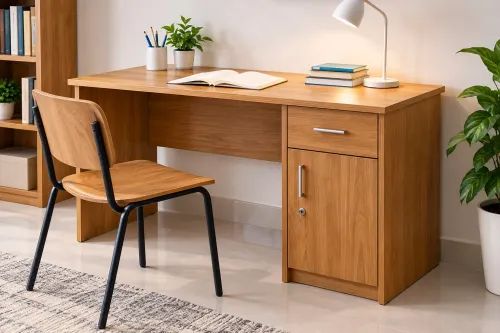
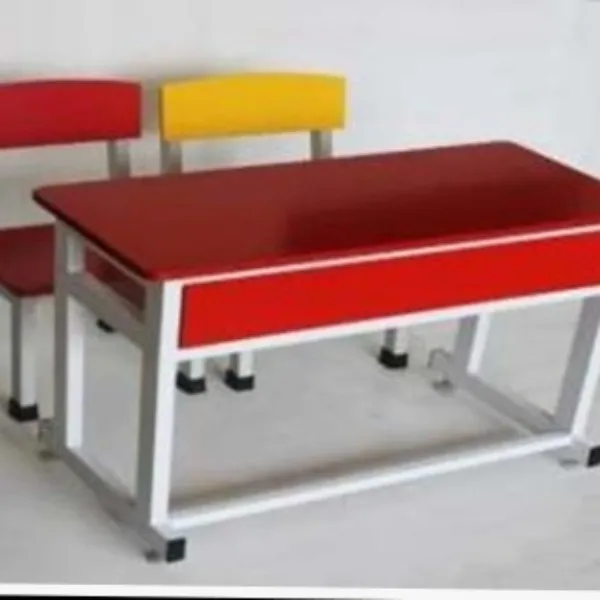
Primary-school children spend a substantial part of their day using desks, chairs, tables, and classroom storage. Yet furniture is sometimes purchased according to room capacity alone, without enough attention to student age or everyday usability.
Choosing a Primary School Furniture Manufacturer should therefore involve more than comparing product photographs and prices.
Different Ages Need Different Dimensions
A child in an early primary grade and a student approaching secondary school can have very different seating requirements.
Schools should avoid automatically using one desk and chair size throughout all primary grades. Instead, consider furniture dimensions in relation to the intended student group.
Sample testing can be particularly helpful. Place furniture in an actual classroom and observe seating position, writing height, legroom, and ease of getting in and out.
Stability Is Essential
Primary students can be energetic, and classroom furniture receives frequent movement and handling.
Check whether chairs remain stable during normal use and whether desks wobble when students write. Examine joints, frame construction, surface attachment, and finishing.
Products should also avoid unnecessarily rough or unfinished areas that could make routine use uncomfortable.
Storage Should Be Practical
Books, notebooks, stationery, activity materials, and school bags can quickly make primary classrooms cluttered.
Integrated desk storage or separate classroom storage may help, but it should be planned carefully. Poorly positioned storage can reduce legroom or create congestion.
The appropriate solution depends on the school's teaching practices and classroom dimensions.
Delhi Schools Should Consider Space Efficiency
Educational buildings across Delhi range from large purpose-built campuses to institutions operating within comparatively compact properties.
For smaller rooms, furniture dimensions become particularly important. Reducing desk size without considering student comfort is not the solution; instead, the complete layout should balance seating capacity with practical circulation.
Evaluate Manufacturers Against Clear Requirements
Before requesting a quotation, schools can prepare a brief covering grade level, student count, room dimensions, required furniture types, preferred configuration, and expected delivery period.
Indera Furnishers works in the educational furniture manufacturing sector in Delhi, making these project-specific details useful when discussing primary classroom requirements.
Schools should compare potential manufacturers on product quality, sample approval, customization options, production consistency, delivery planning, and after-supply communication rather than relying on price alone.
Primary furniture has to serve students repeatedly throughout the academic year. Careful attention to dimensions, stability, classroom organization, and maintainability can make the difference between furniture that merely fills a room and furniture that genuinely supports everyday learning.
Keywords