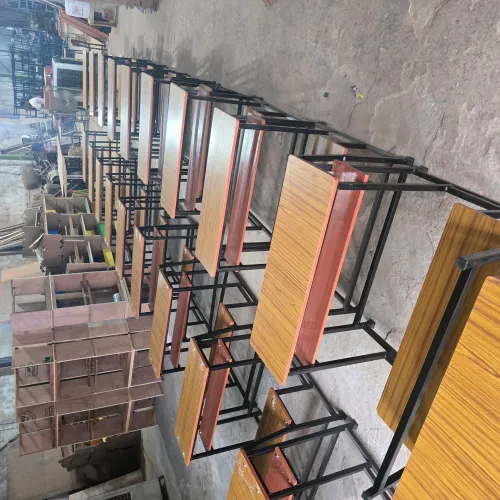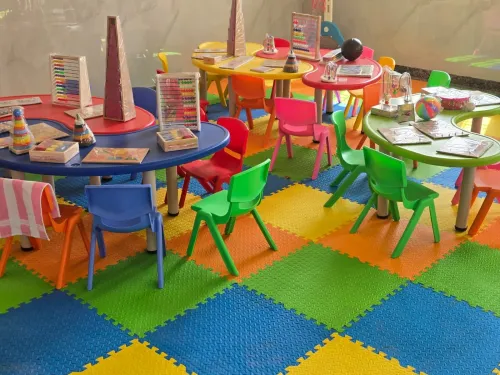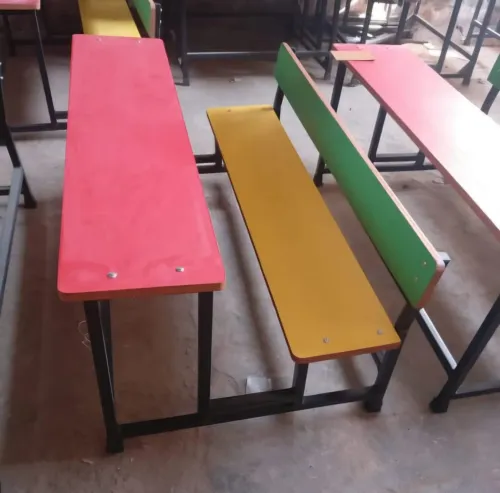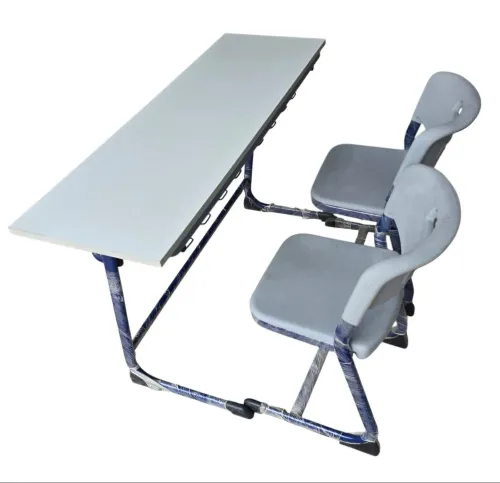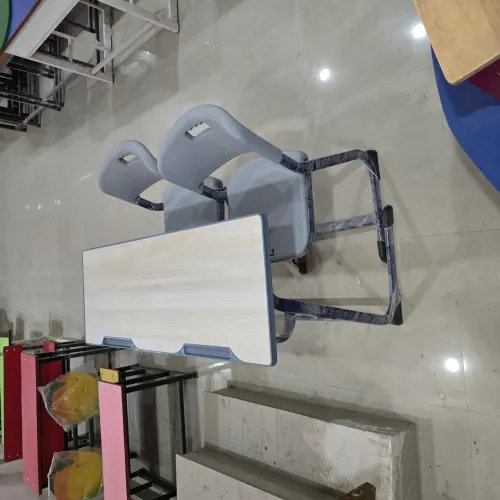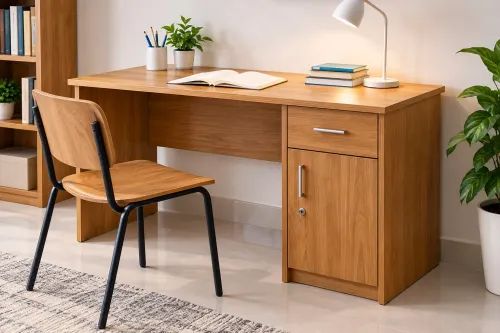
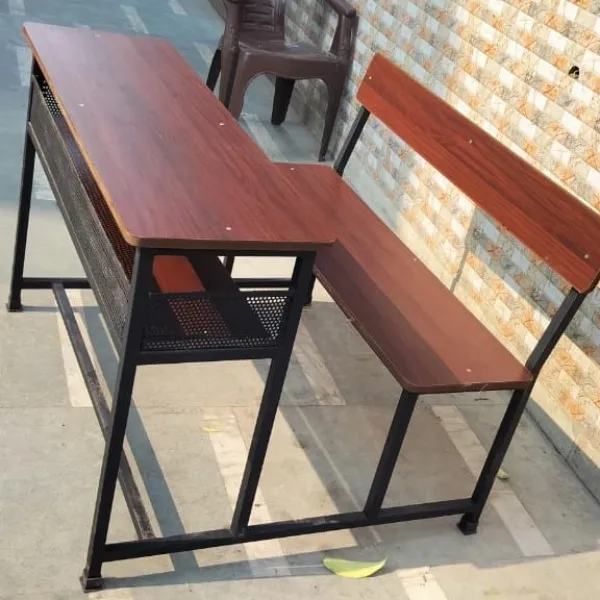
Furnishing an entire classroom requires a different approach from purchasing a few replacement chairs. Desks, seating, teacher furniture, and storage need to work together within a limited space while supporting students throughout the school day.
Choosing a suitable Classroom Furniture Manufacturer therefore begins with understanding the room rather than immediately selecting products from a catalogue.
Measure Before Choosing Furniture
Record usable classroom dimensions and note features that affect furniture placement, including doors, windows, columns, boards, electrical points, and built-in storage.
Next, identify the expected number of students.
These two pieces of information help determine appropriate desk dimensions and seating configurations without overcrowding the classroom.
Match Furniture to Student Groups
One furniture specification rarely suits every grade.
Primary students may need smaller desks and chairs, while older students require greater seat dimensions and legroom. Laboratories, libraries, activity rooms, and conventional classrooms also have different functional requirements.
A manufacturer capable of supplying different configurations can make campus-wide planning more consistent.
Evaluate the Complete Classroom
Instead of selecting each product independently, consider how everything works as a system.
Ask:
- Are aisles wide enough for practical movement?
- Can teachers circulate between desks?
- Does storage obstruct usable space?
- Is the teaching area clearly accessible?
- Can housekeeping staff clean around the furniture?
- Is the arrangement suitable for the intended teaching method?
These questions are especially relevant for schools in Delhi where classroom dimensions and building layouts can vary considerably.
Compare Quality Using Samples
Catalogues help narrow options, but a sample allows decision-makers to inspect stability, finishing, surface quality, dimensions, and construction directly.
For larger projects, schools can document the approved sample and specifications so that subsequent production can be evaluated against the same reference.
Discuss Production and Delivery Early
Furniture projects frequently operate against fixed dates such as school openings, renovations, or new academic sessions. Production capacity and delivery schedules should therefore be discussed before finalizing an order.
Indera Furnishers manufactures educational furniture for schools in Delhi and can be considered when institutions are evaluating classroom-specific furniture requirements.
A productive manufacturer discussion should cover quantities, dimensions, materials, finishes, sample approval, expected manufacturing period, delivery, and any installation or assembly requirements.
Good classroom furniture planning is ultimately about creating a usable learning environment. When dimensions, student needs, circulation, durability, and maintenance are considered together, schools can make purchasing decisions that work beyond the first day of installation.
Keywords