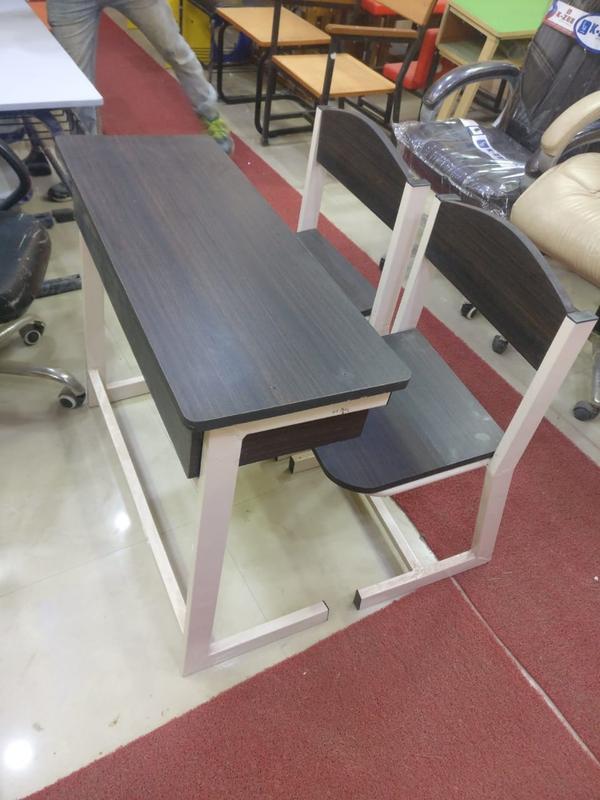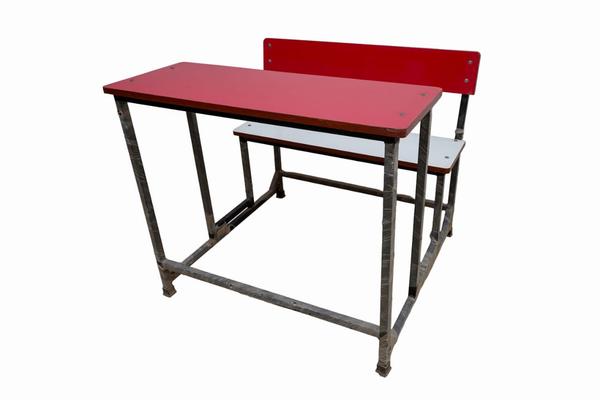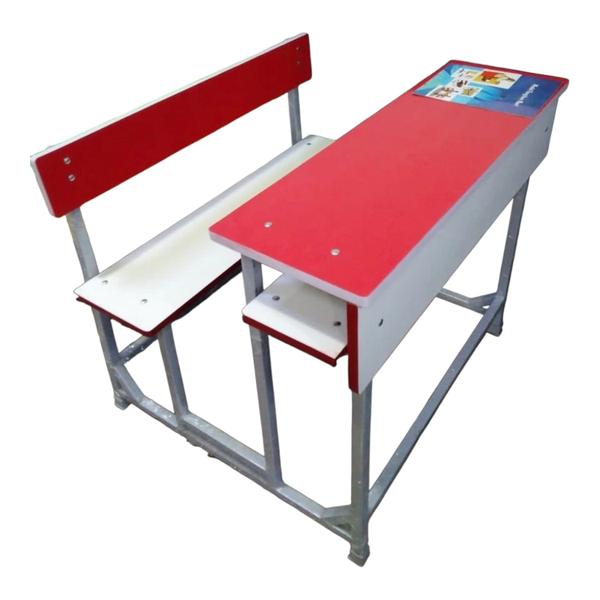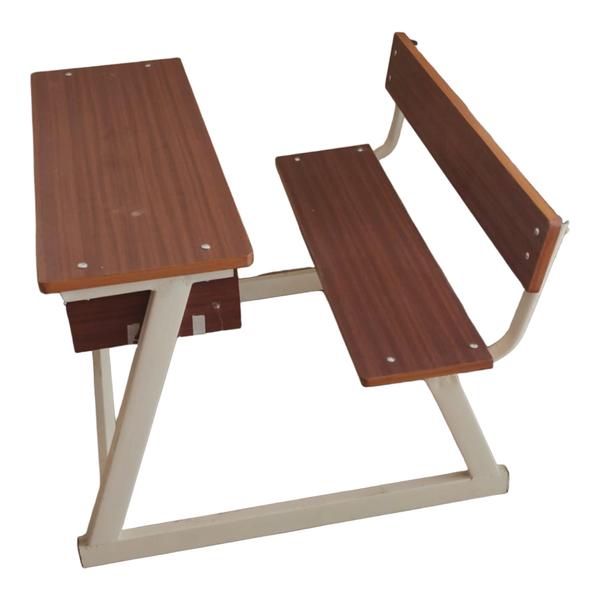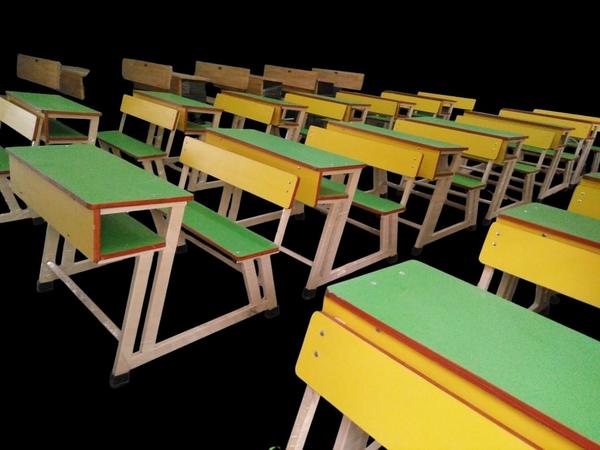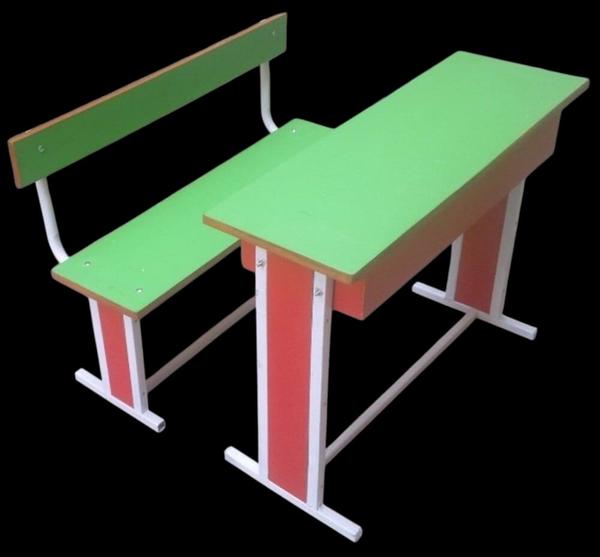
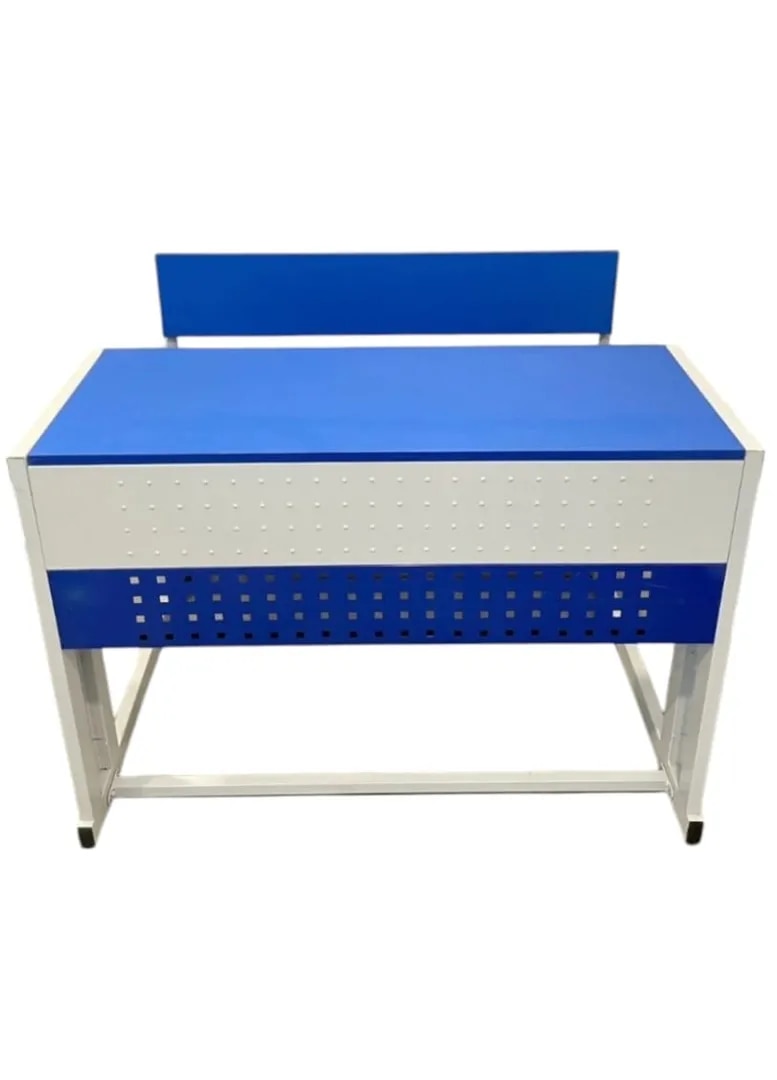
Student Dual Desk
Description
1. Ergonomics & Student Health
Students spend approximately 6–8 hours a day sitting. Poor furniture leads to “slump” posture, which reduces oxygen flow to the brain and causes physical fatigue.
Dynamic Seating: Quality chairs support the natural “S” curve of the spine and allow for micro-movements (slight rocking or swiveling) to keep the core engaged.
Size Appropriateness: Furniture must be height-appropriate. Ideally, a student's feet should be flat on the floor with knees at a 90-degree angle.
Waterfall Edges: The front of seat pans should curve downward to prevent pressure on the back of the thighs, maintaining healthy circulation.
2. Durability & Materials
School furniture undergoes “heavy-duty” use. High-quality pieces are built to last 10–15 years rather than 2–3.
High-Pressure Laminate (HPL): Better than standard melamine, HPL is resistant to scratches, ink stains, and heavy cleaning chemicals.
Steel Gauges: Quality frames use 16-gauge steel or thicker. Welded joints are superior to bolted joints, which can loosen over time.
best school furniture
3. Safety & Compliance
Quality is often verified by independent testing standards. Look for these certifications:
ANSI/BIFMA X6.1: The gold standard for educational seating, testing for stability, leg strength, and vertical impact.
GREENGUARD Gold: Ensures the furniture has low chemical emissions (VOCs), protecting indoor air quality for developing lungs.
Anti-Tipping Design: Wide-base legs on chairs and desks prevent accidents during student movement.
4. Flexibility & Modern Functionality
The “quality” of a modern classroom is measured by how quickly it can be reconfigured.
s.
Acoustics: Premium furniture often incorporates felt or sound-dampening materials to reduce the “clatter” of a busy classroom.
Specifications
| 1050 | mm |
|---|---|
| 750 | mm |