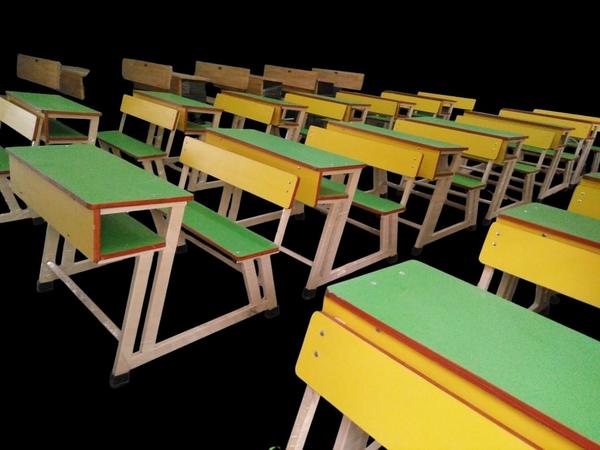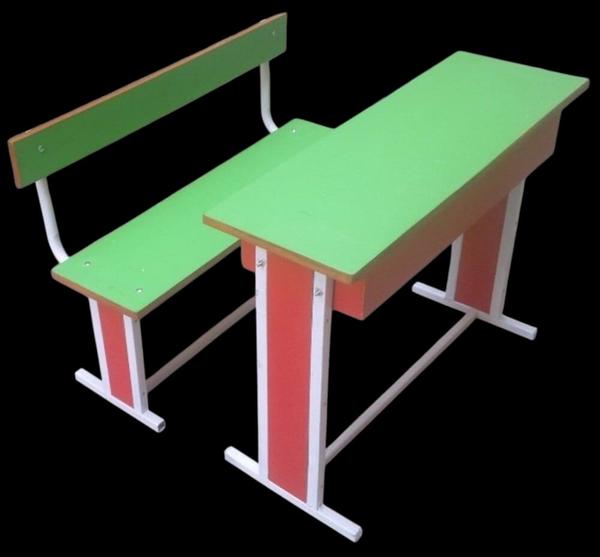
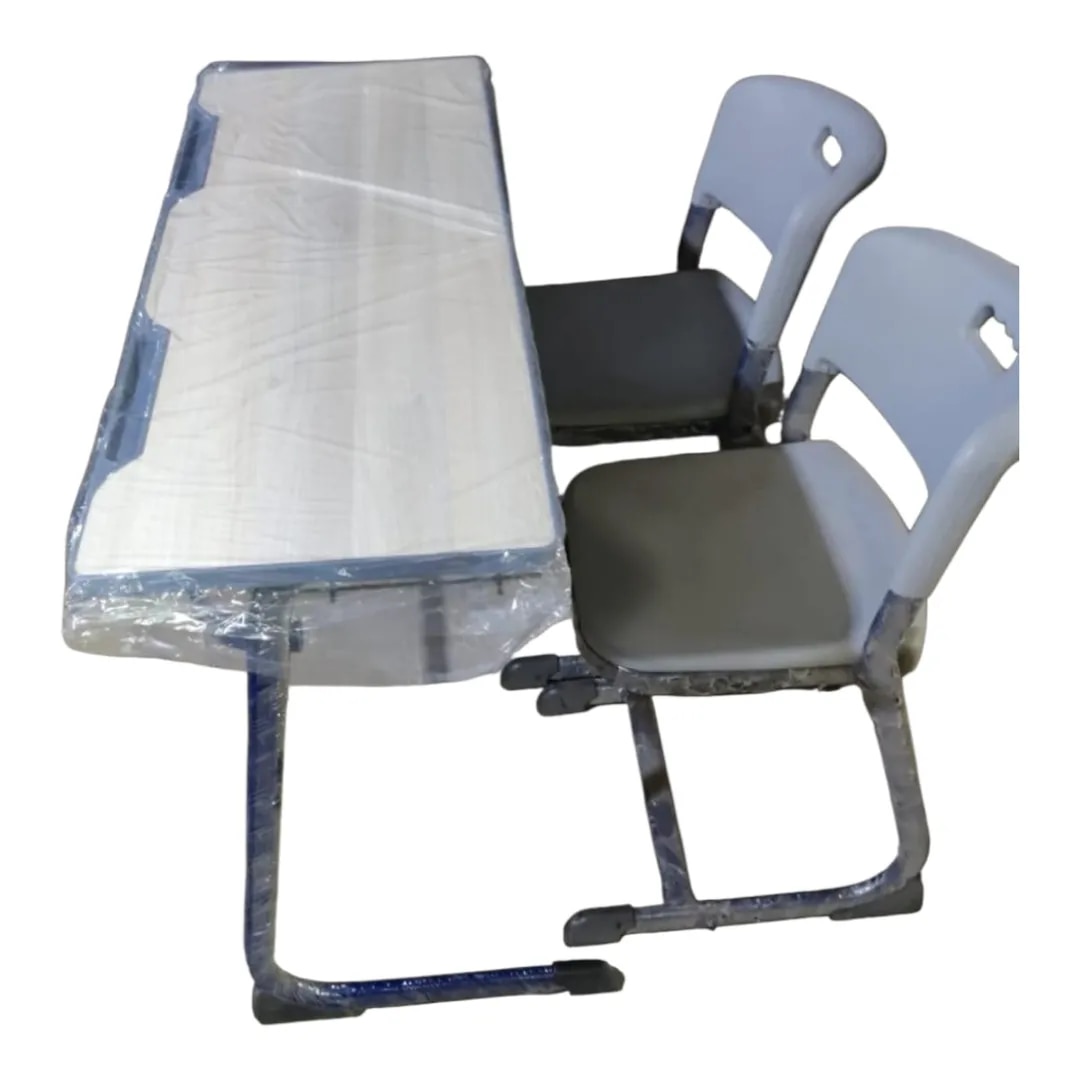
school Table and Chairs
Description
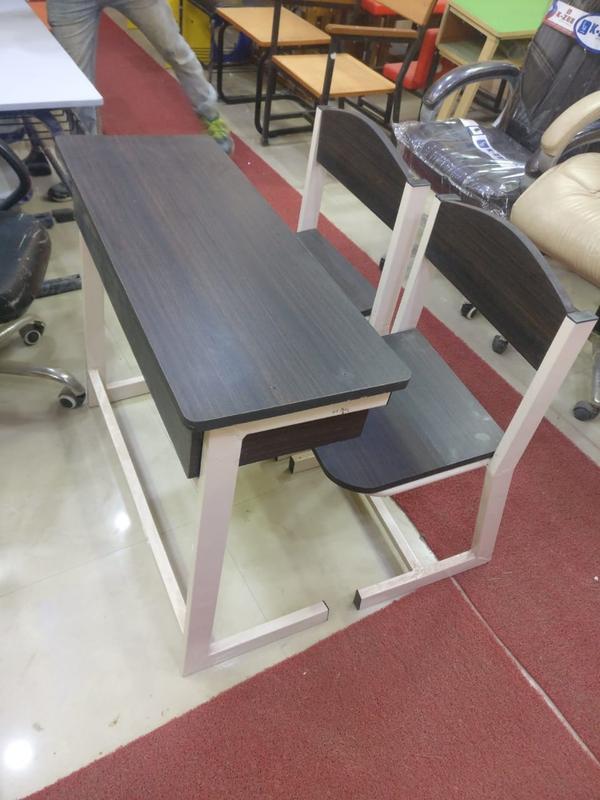
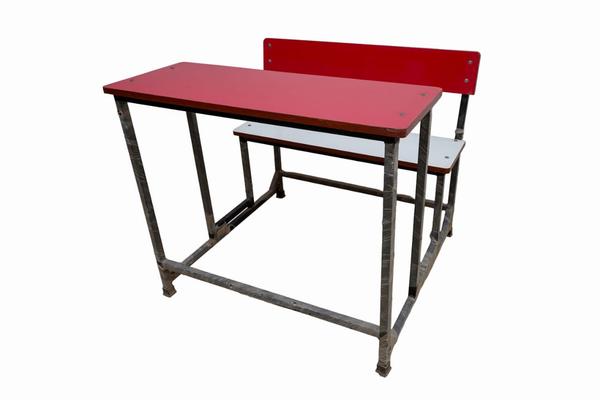
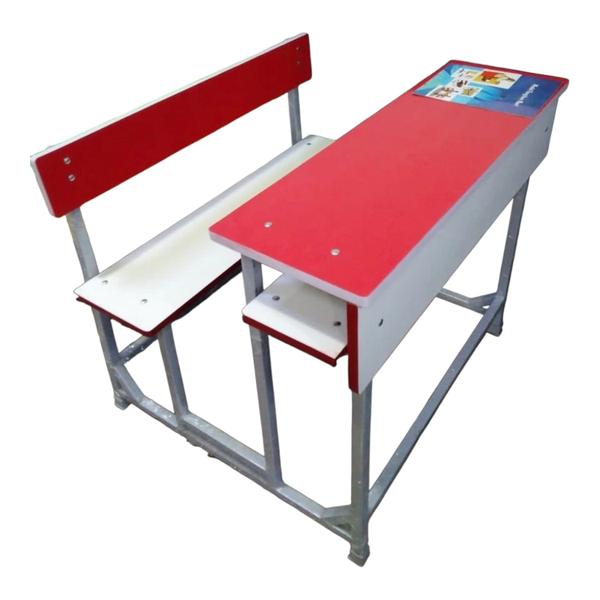
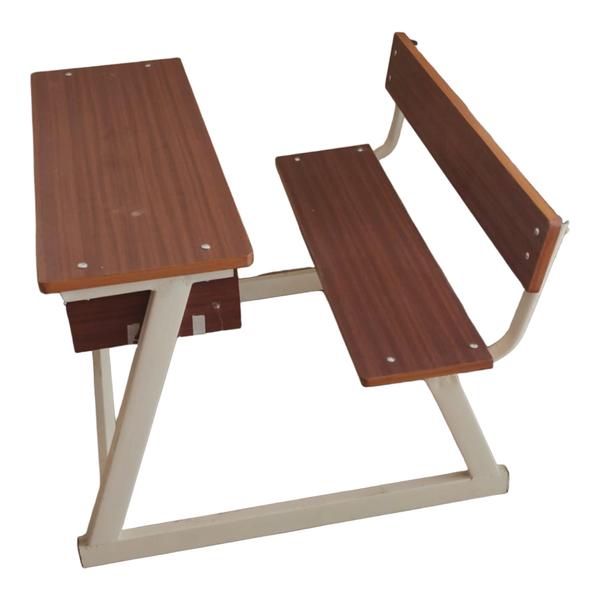
surface Finish and Edge Treatment In a classroom, the finish is the first line of defense: High-Pressure Laminate (HPL): Top-tier desks use HPL surfaces that are scratch, heat, and chemical resistant. This makes them easy to clean after art projects or spills. Edge Banding: Quality desks feature impact-resistant edges (often PVC or T-molding) that are heat-fused to the wood. This prevents the wood from splintering and protects students from sharp corners. Rounded Corners: A safety hallmark.8 High-quality desks have significant “radiused” (rounded) corners to prevent injury during active classroom movement.9+13. Construction and Joinery How the desk is put together determines if it will wobble after six months:Mortise and Tenon Joints: Traditional but superior joinery where pieces interlock.10Reinforced Frames: Many high-quality “wooden” desks actually use a powder-coated steel frame for the legs and support, with a wood or laminate top.11 This provides the warmth of wood with the structural rigidity of metal. Self-Leveling Glides: Quality desks often include adjustable feet (glides) to ensure the desk remains stable even on uneven school floors.124. Ergonomic and Functional Design Modern quality is also measured by how well the desk supports the student: Height Adjustability: High-quality modern designs allow the desk to grow with the student, promoting proper posture ($90^circ $ angle for knees and elbows).Storage: Integrated book boxes or “cubbies” should be securely attached and free of sharp metal edges or snag-prone wood grains. Varnish/Sealant: Low-VOC (Volatile Organic Compounds) finishes are essential for maintaining healthy indoor air quality in a crowded classroom.
Specifications
| 1100 | mm |
|---|---|
| 400 | mm |